

Supporting collective wellbeing through movement, mindfulness and connection.
Trauma-informed I Body-based I Community-centred
Register now for Portals & Poetry: A Creative and Somatic Gathering for Racialised Bodies
*
Register now for Portals & Poetry: A Creative and Somatic Gathering for Racialised Bodies *

Wellbeing is a right, not a privilege.
A growing number of people in our community face barriers to accessing mental health care, whilst also navigating interconnected social, economic, cultural, environmental, and health challenges.
Our purpose is to strengthen community capacity for collective care by sharing accessible somatic practices that help people regulate, connect, and care for themselves and each other in complex times.
Through our trauma-informed programs, trainings, and community events, we share practical approaches that support wellbeing, strengthen relationships, and help people and communities navigate complexity with greater connection, participation, and care.

Our approach
Our approach is grounded in our evidence-informed Somatic Model of Care. This model integrates seven key components:
trauma-informed practice;
systemic understanding;
nervous system awareness;
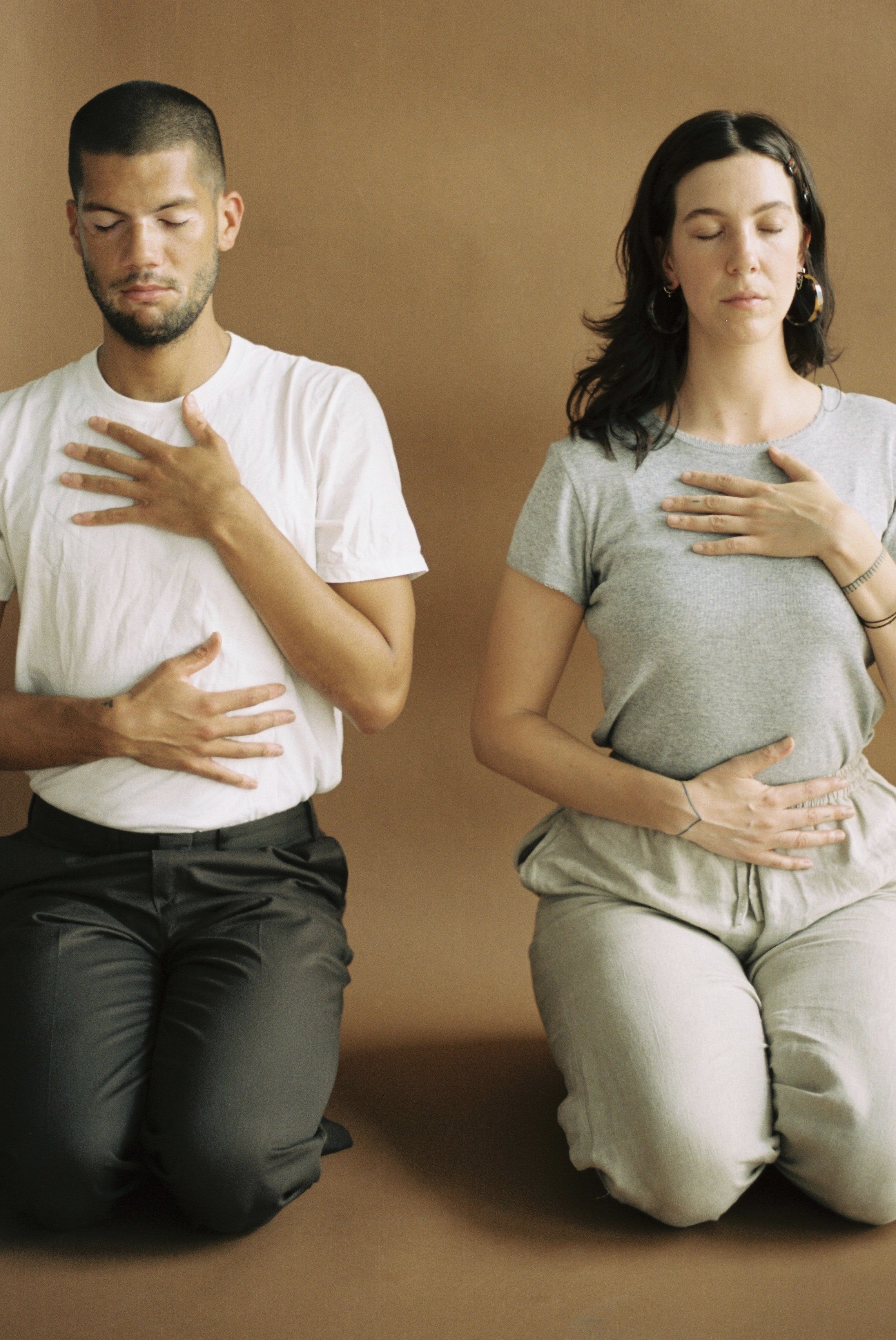
somatic and mindfulness-based tools;
participatory facilitation;
practice-based connection; and
reflective practice.
Developed over 9 years, this is the model we bring into every room. Whether we are holding a session in a psychiatric inpatient unit, a school, or a library, these principles guide how we show up, how we facilitate, and how we care.
Our impact since 2017
10000+ people supported
300+ free community events
250+ professionals trained
200+ programs delivered
Why the body?

Research shows that trauma-informed movement, breath-work, and mindfulness can significantly reduce symptoms of stress, and increase experiences of connection and resilience.
Our work draws on trauma-informed, evidence-based, and community-responsive practices that support:
self-awareness and self-compassion;
a sense of agency and control;
nervous system regulation;
connection and belonging; and
long-term resilience and wellbeing.
“I have tried many self-taught practices, meditation, counselling and courses alike over the years. I genuinely feel Collective Being's Therapeutic Movement and Mindfulness Program has been the physical and emotional component necessary for my body to recognise it is safe. I'm truly grateful.”
Therapeutic Movement & Mindfulness Program participant, 2025
Who we work with
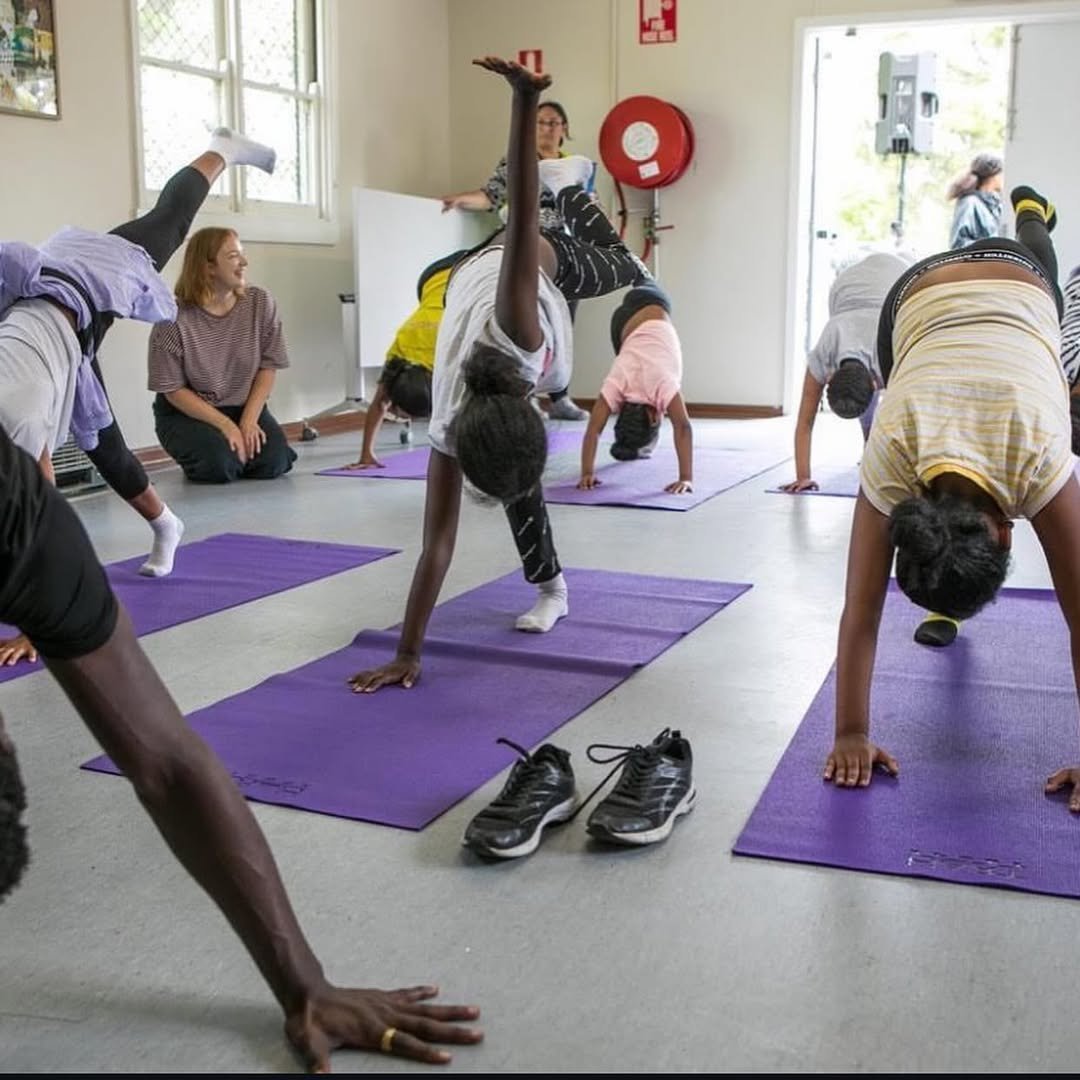
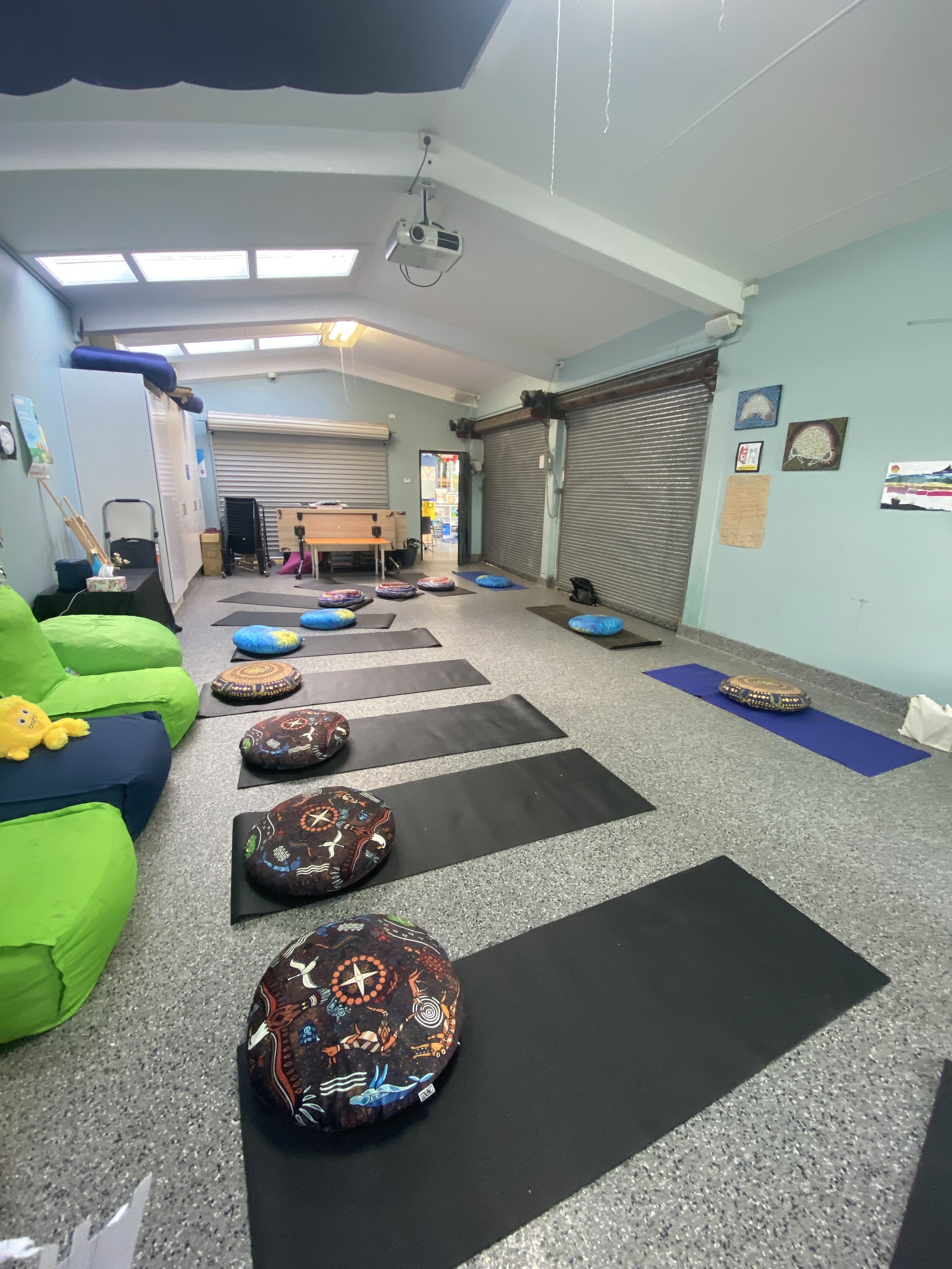
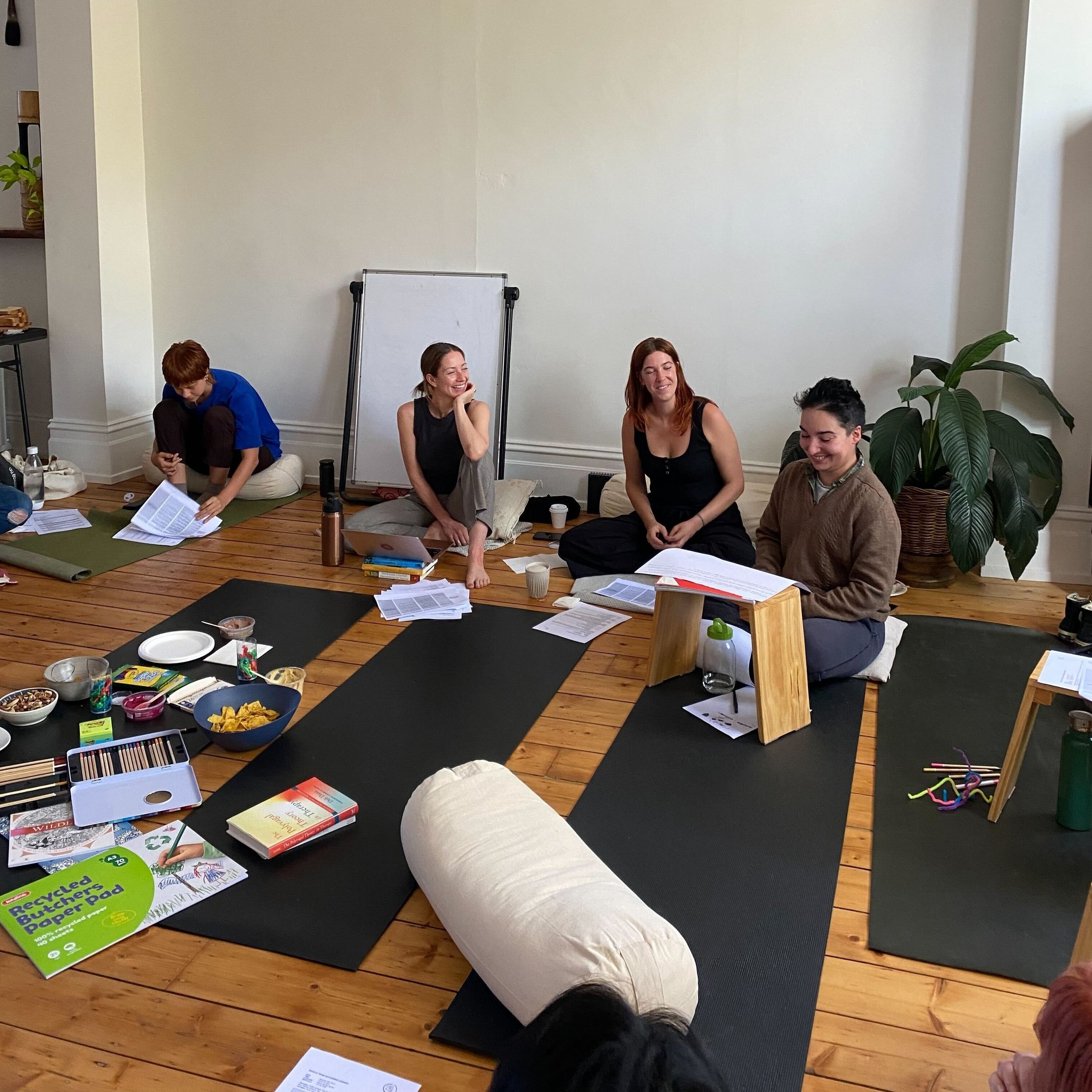
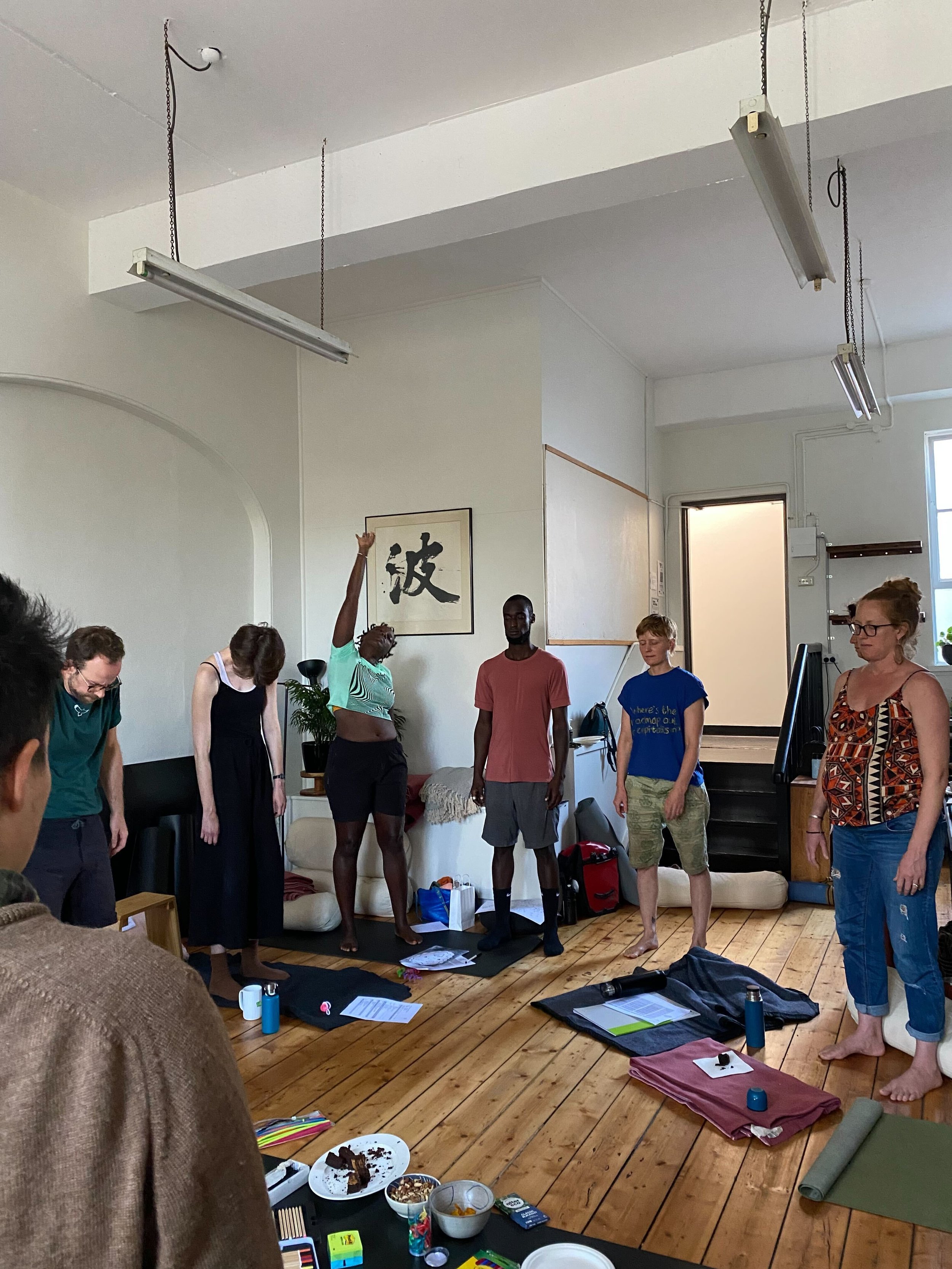
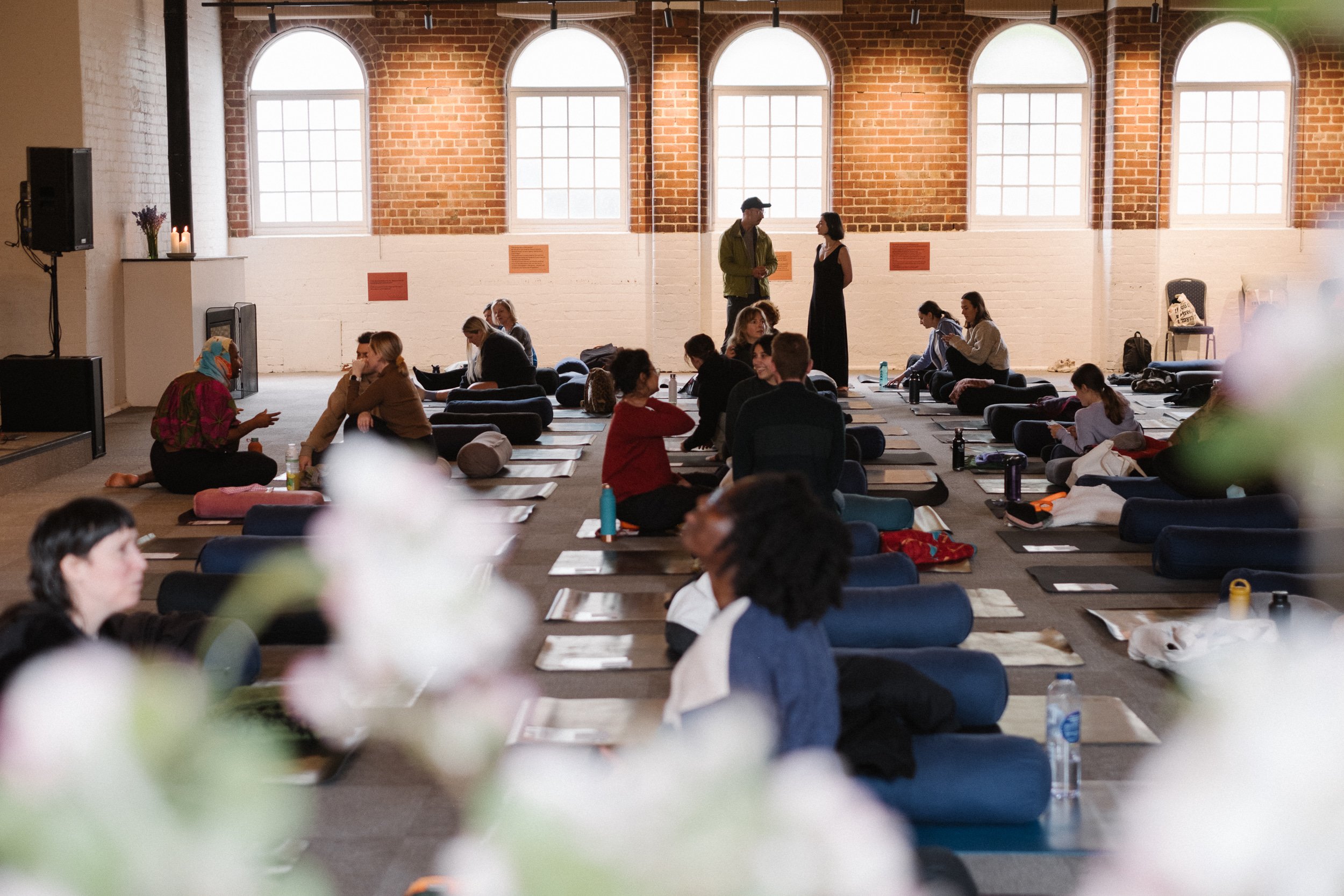
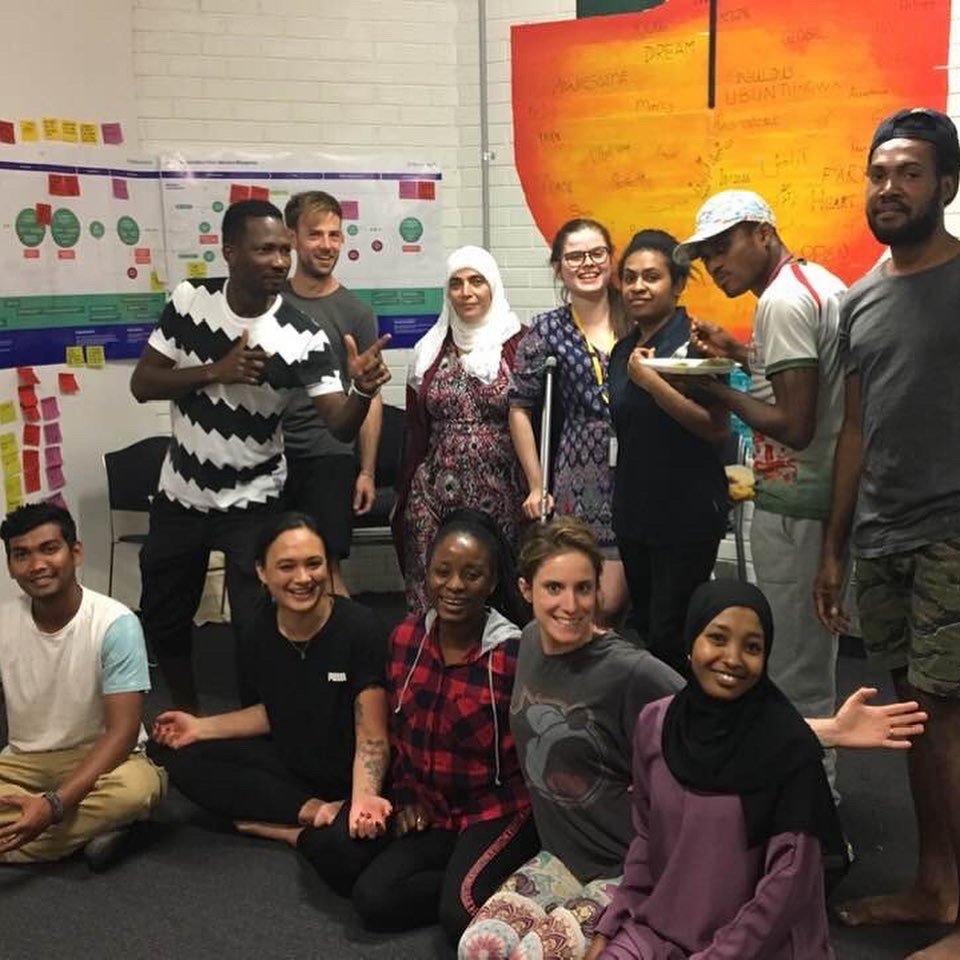
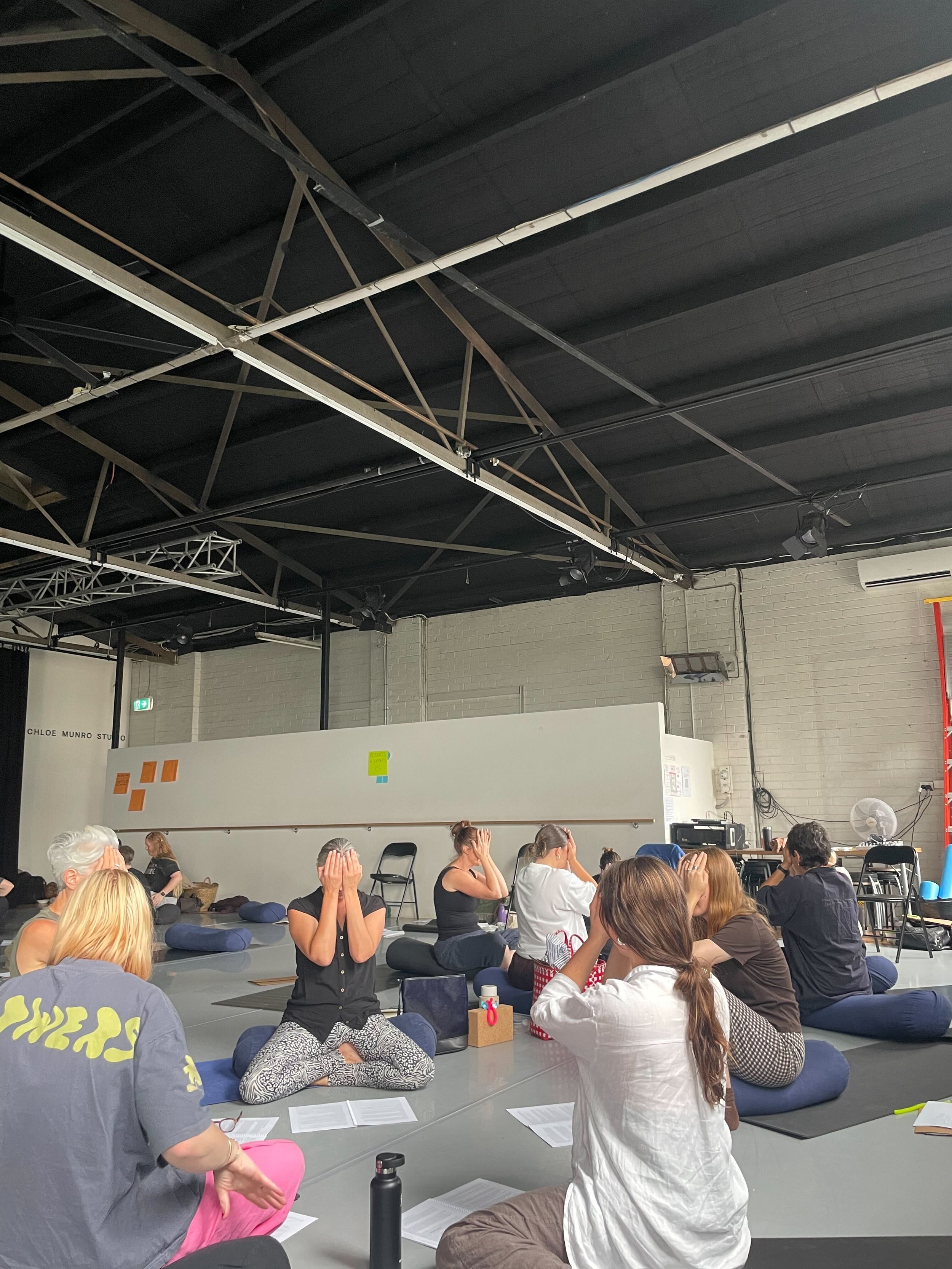
Since 2017, we have partnered with 60+ community partners to deliver our movement and mindfulness programs in hospitals, prisons, schools, mental health units, refugee services, LGBTQIA+, and women’s services.





“I have felt at a loss the last few days, like I have needed something but unsure what and didn’t feel like a full on counselling session. Coming here has felt like it’s met what I was looking for. I feel a lot better.”
Clinical Outreach Program participant at Tarrengower Women’s Prison, 2024
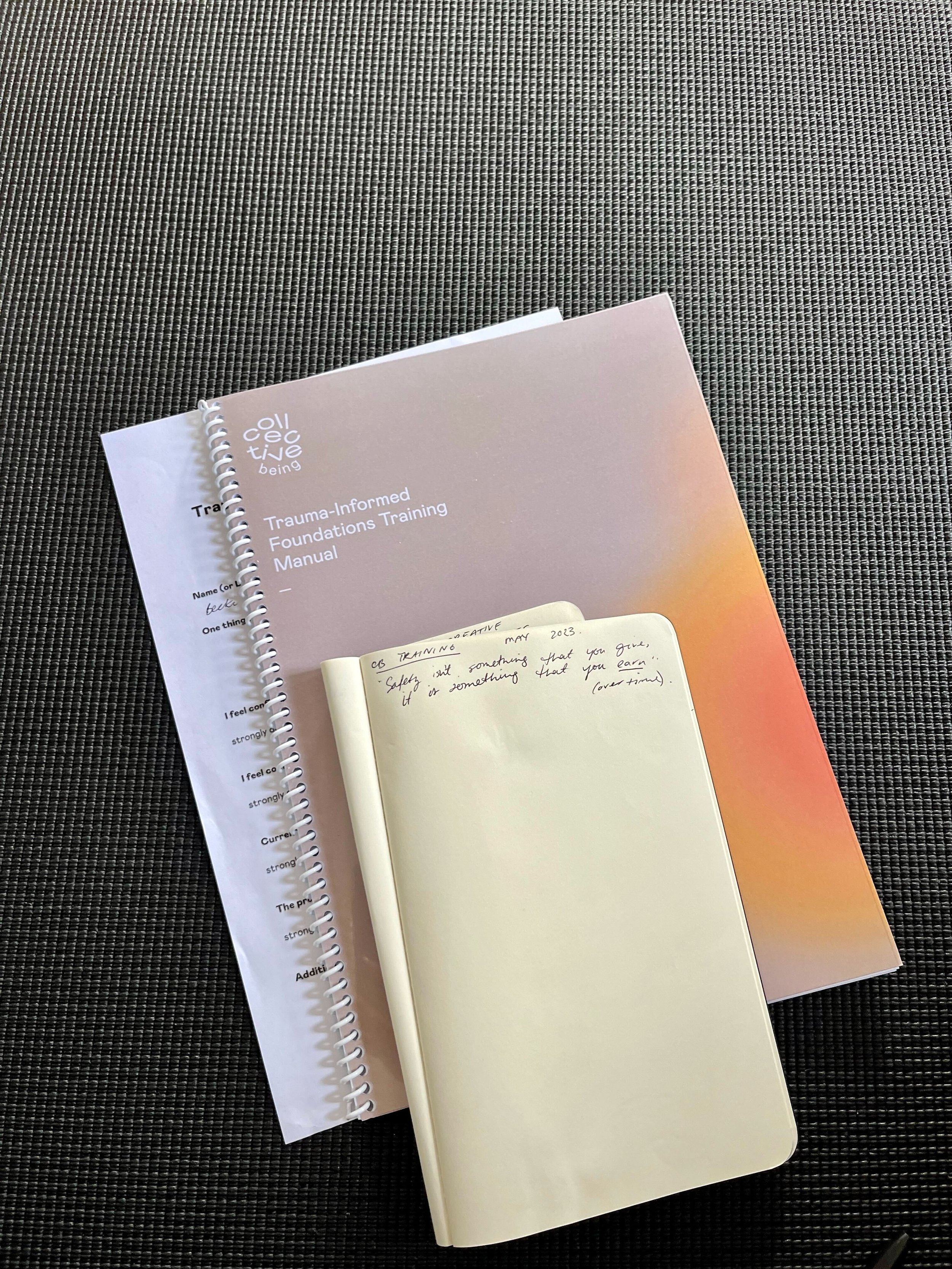
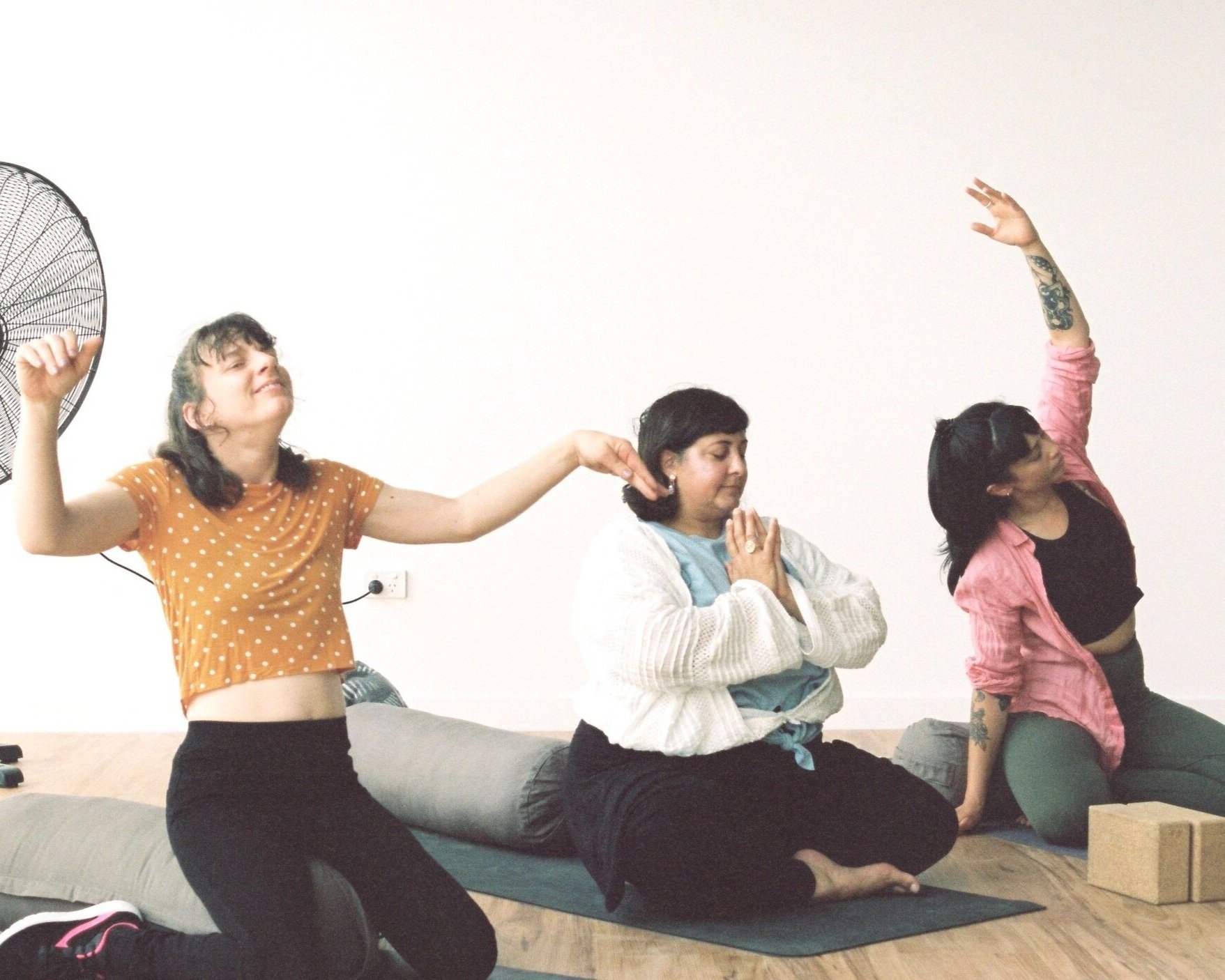
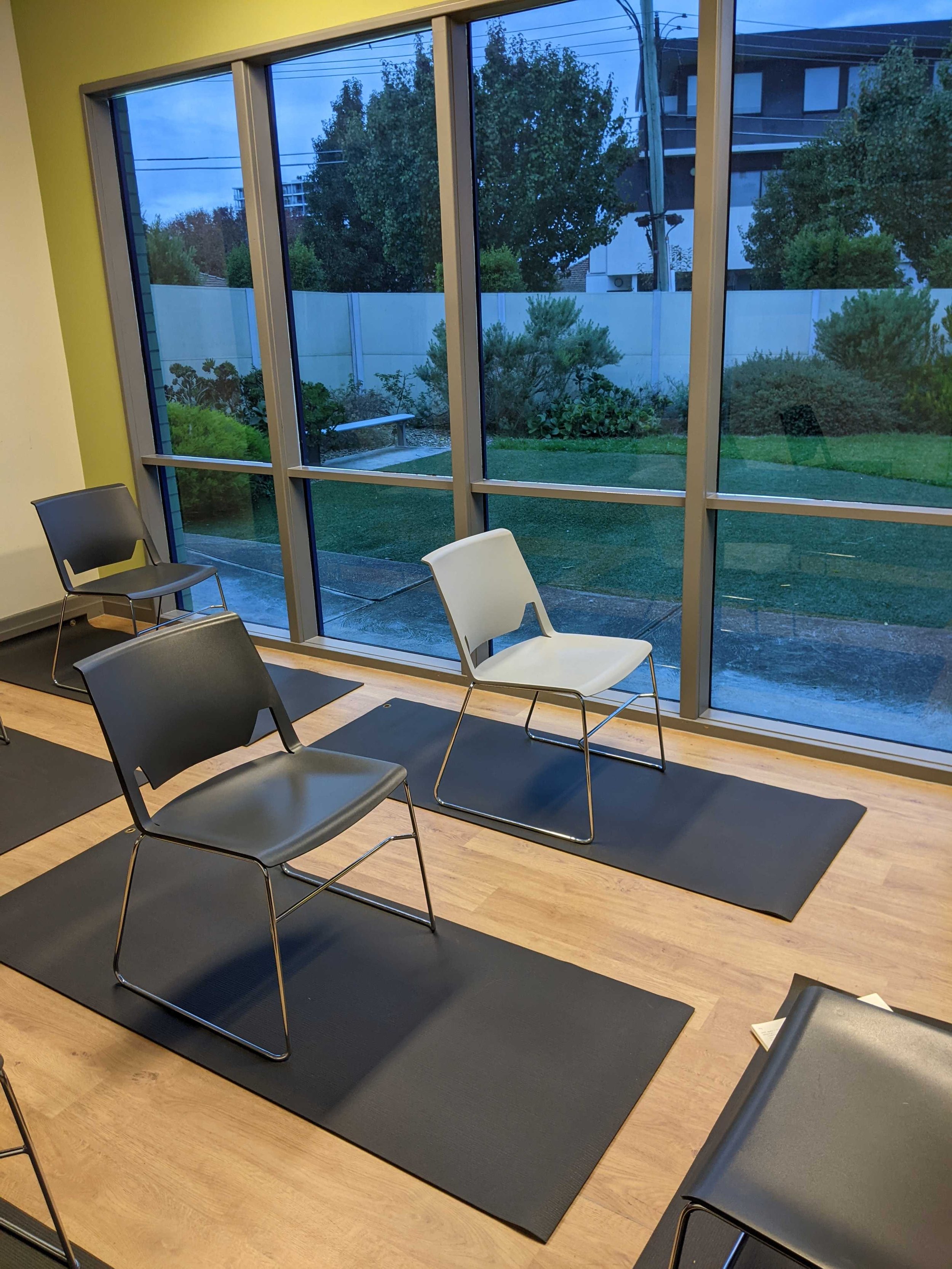
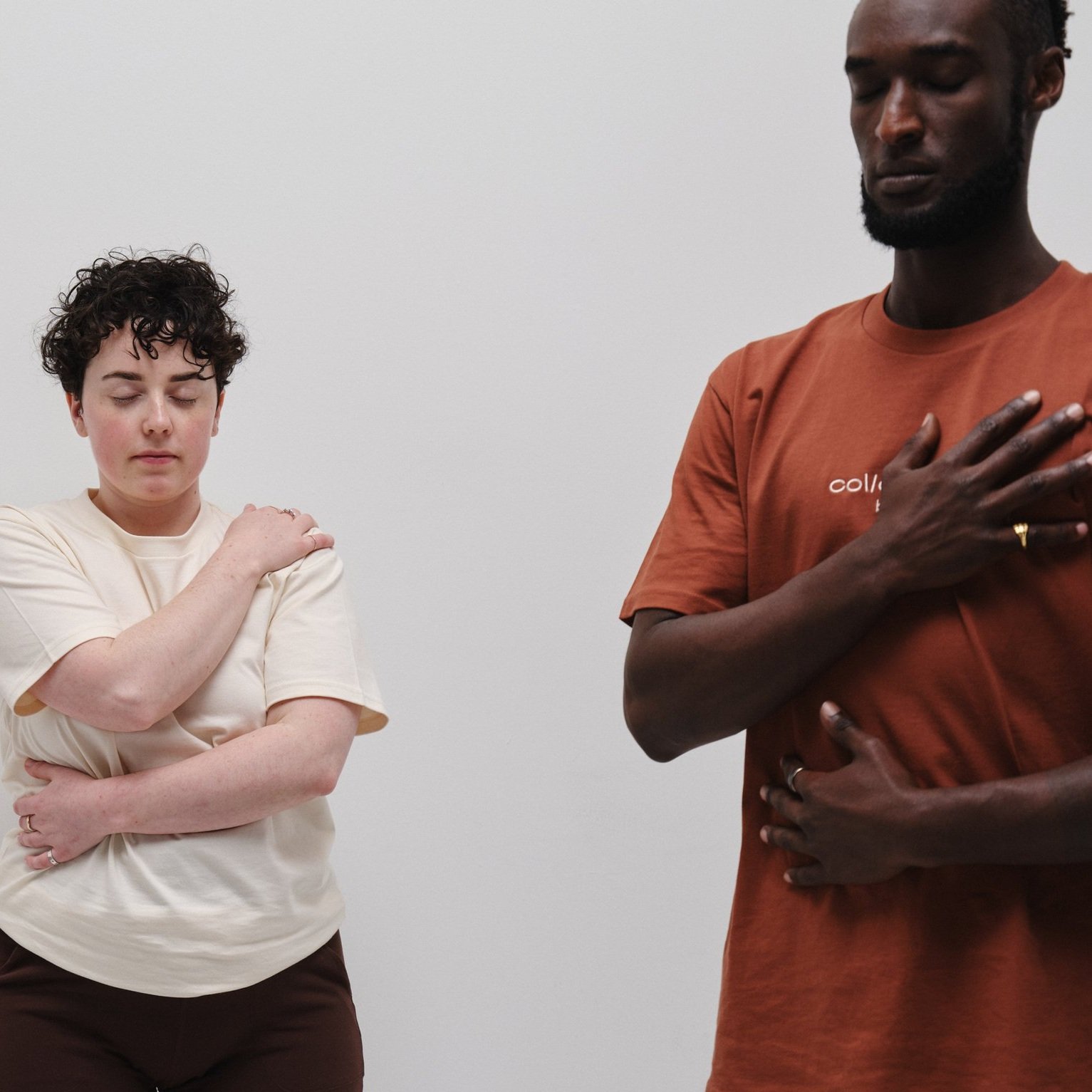
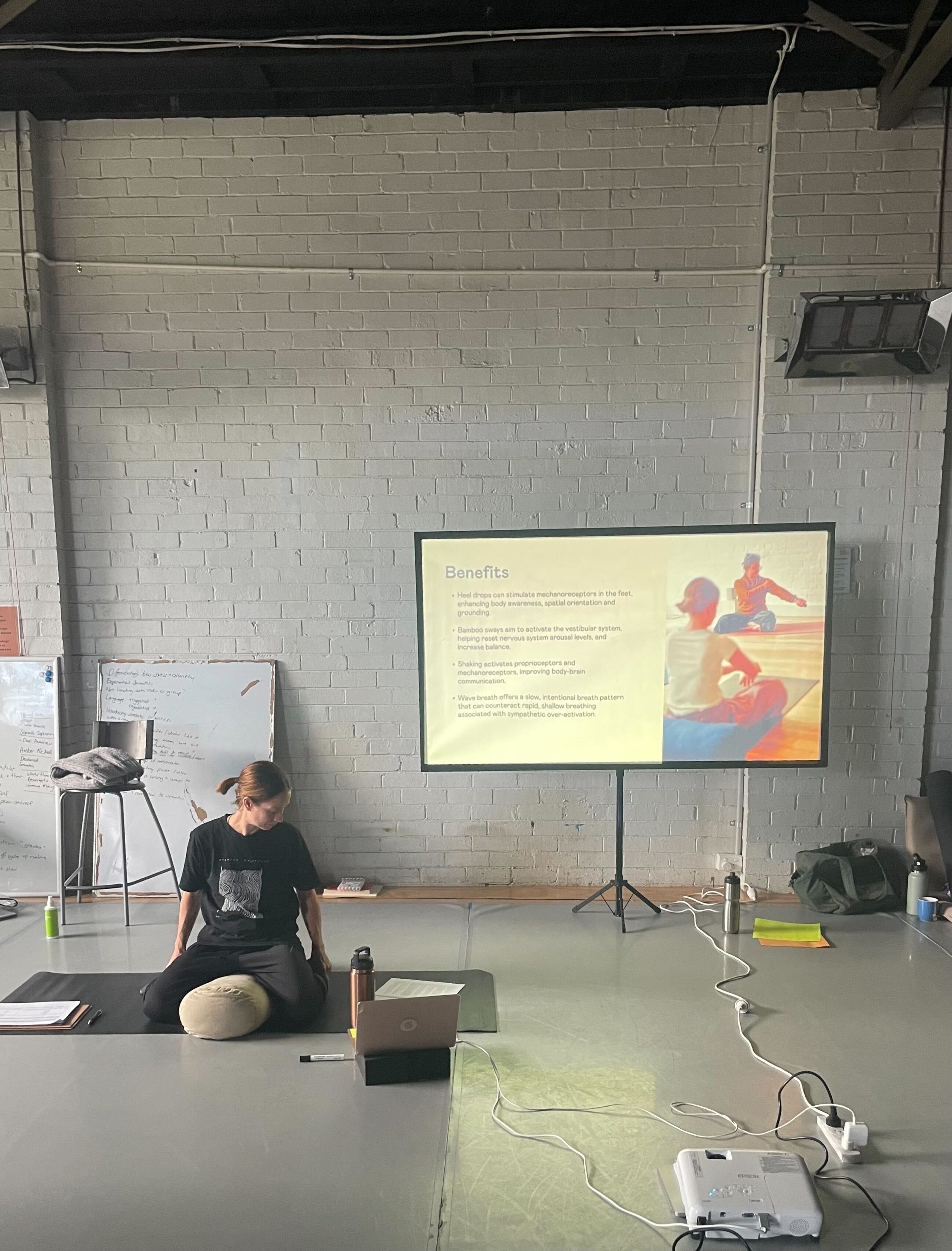
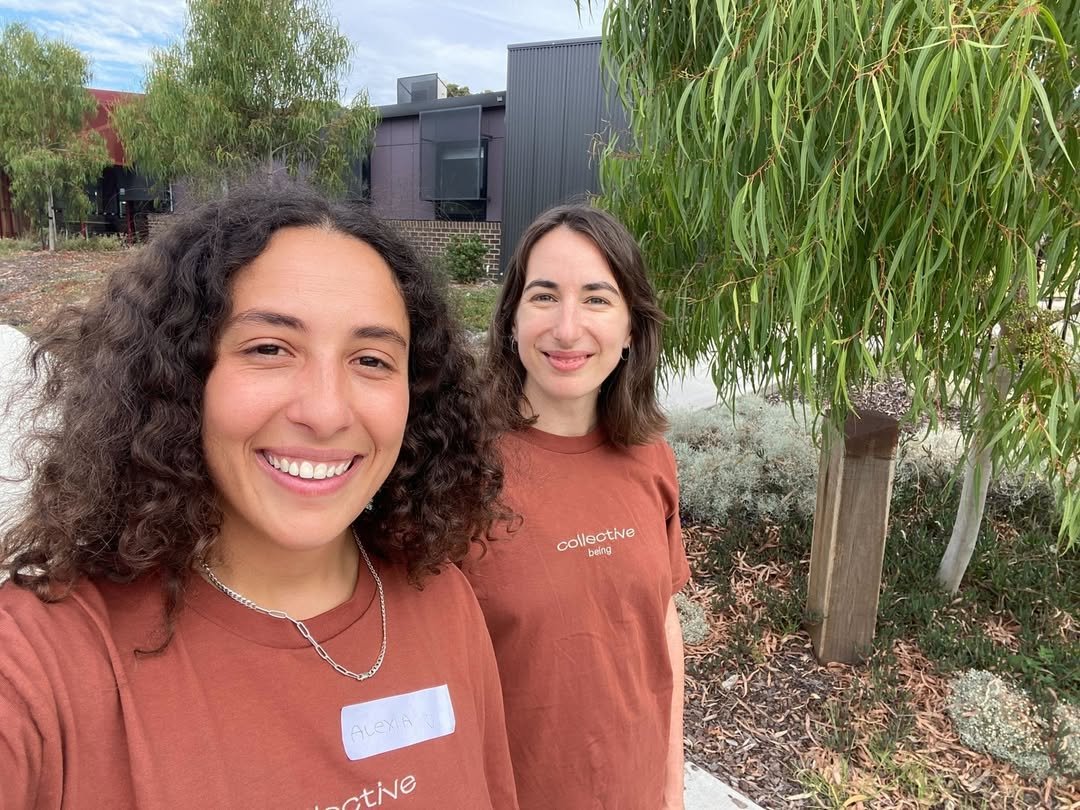
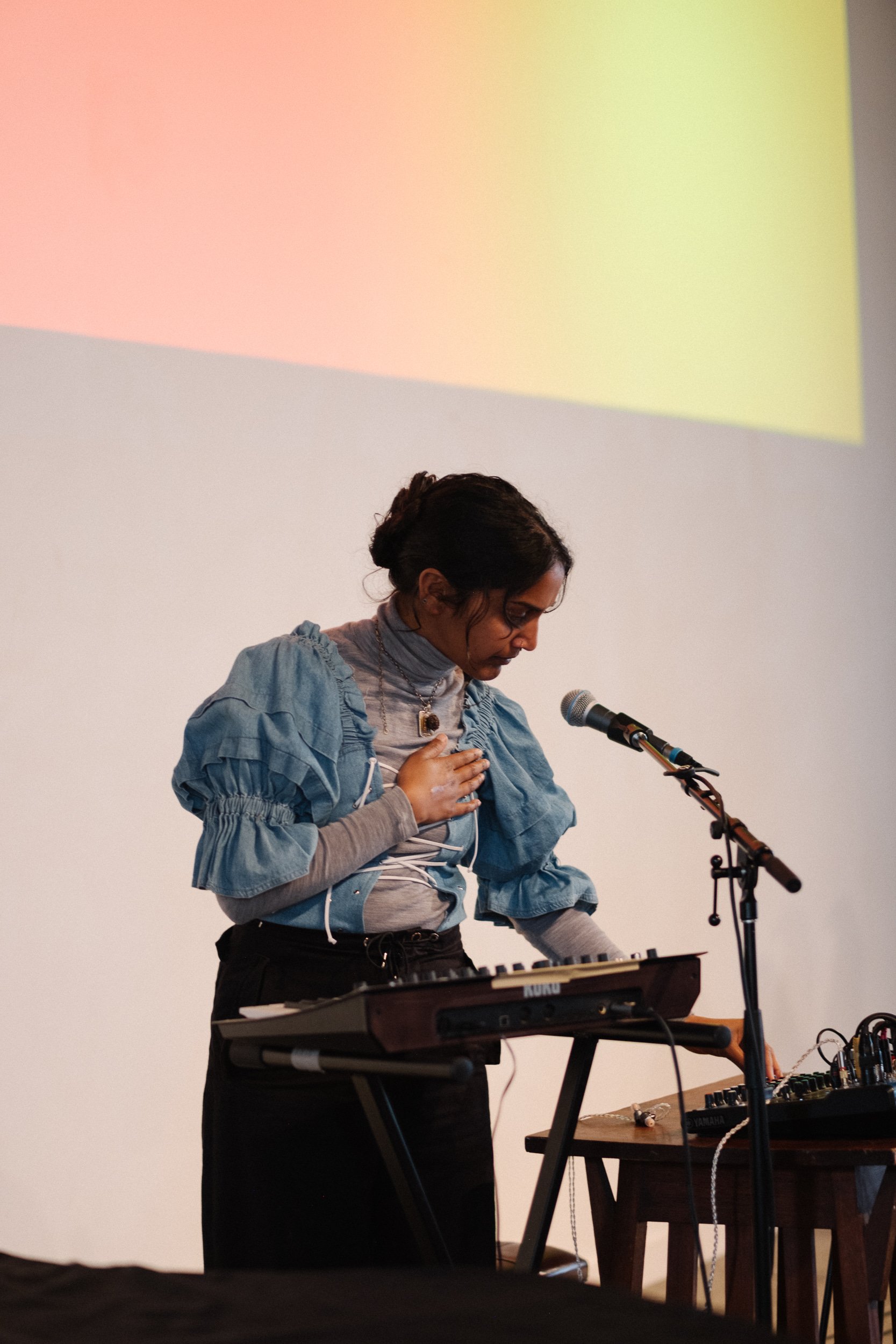
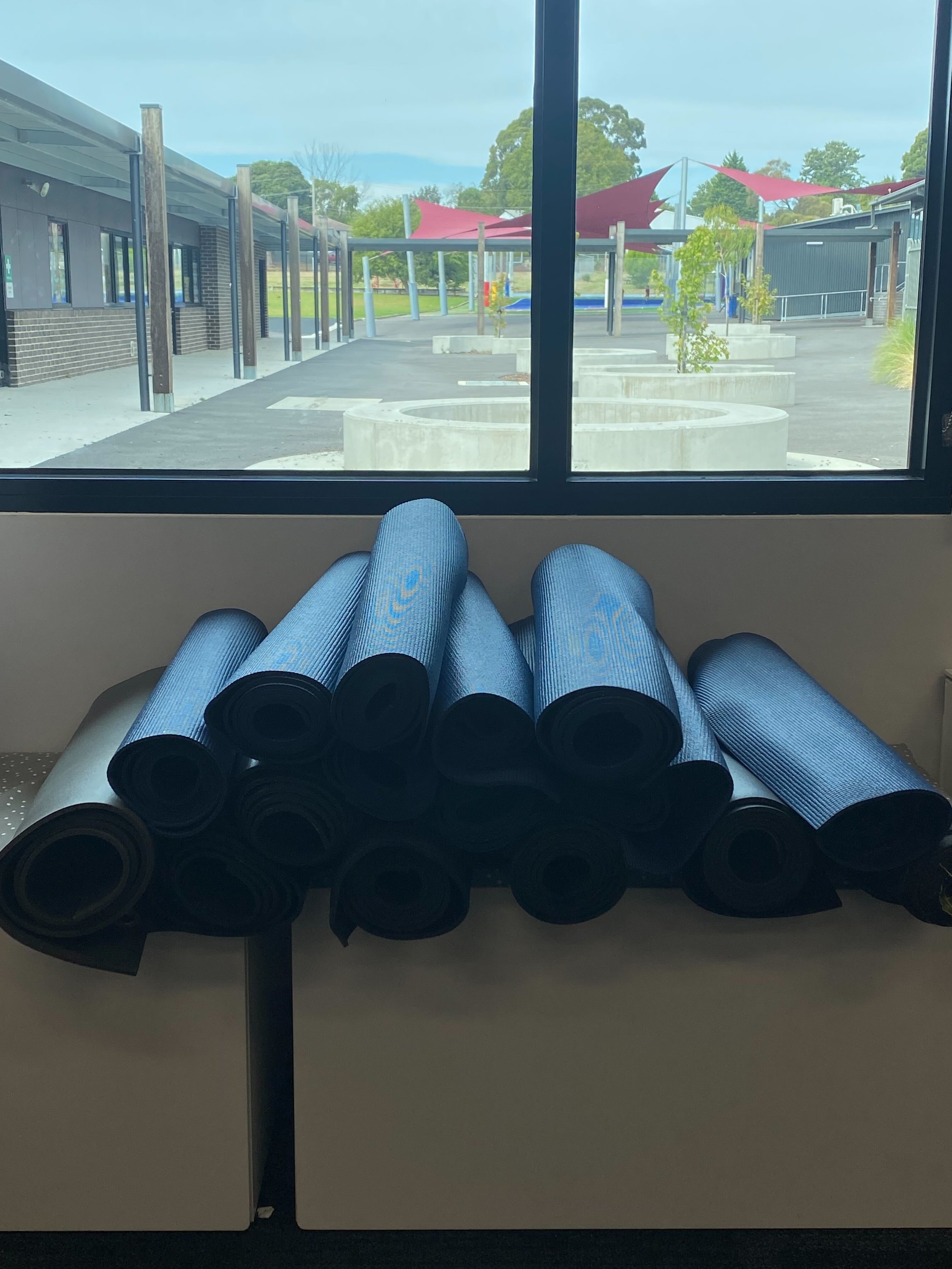
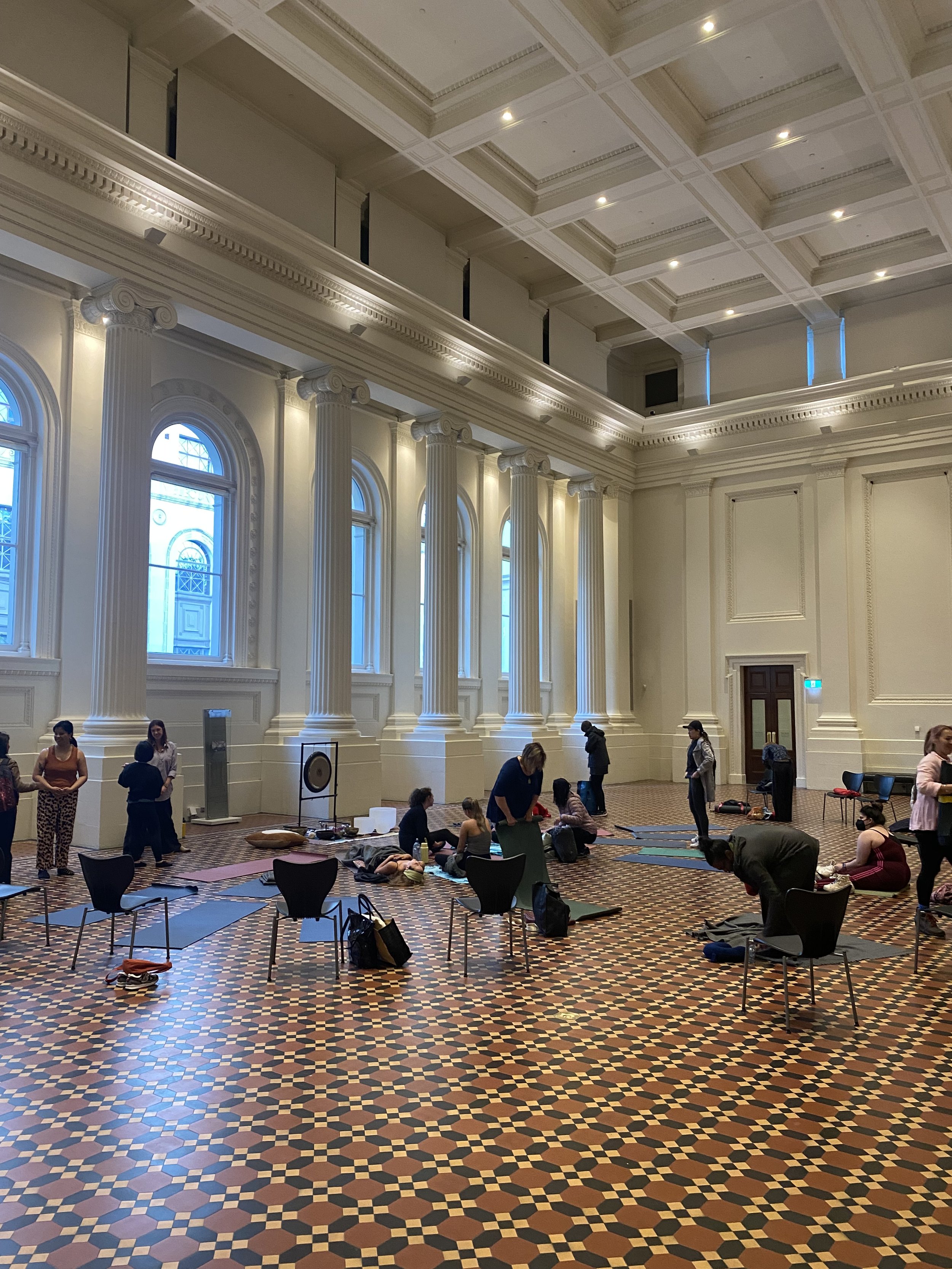
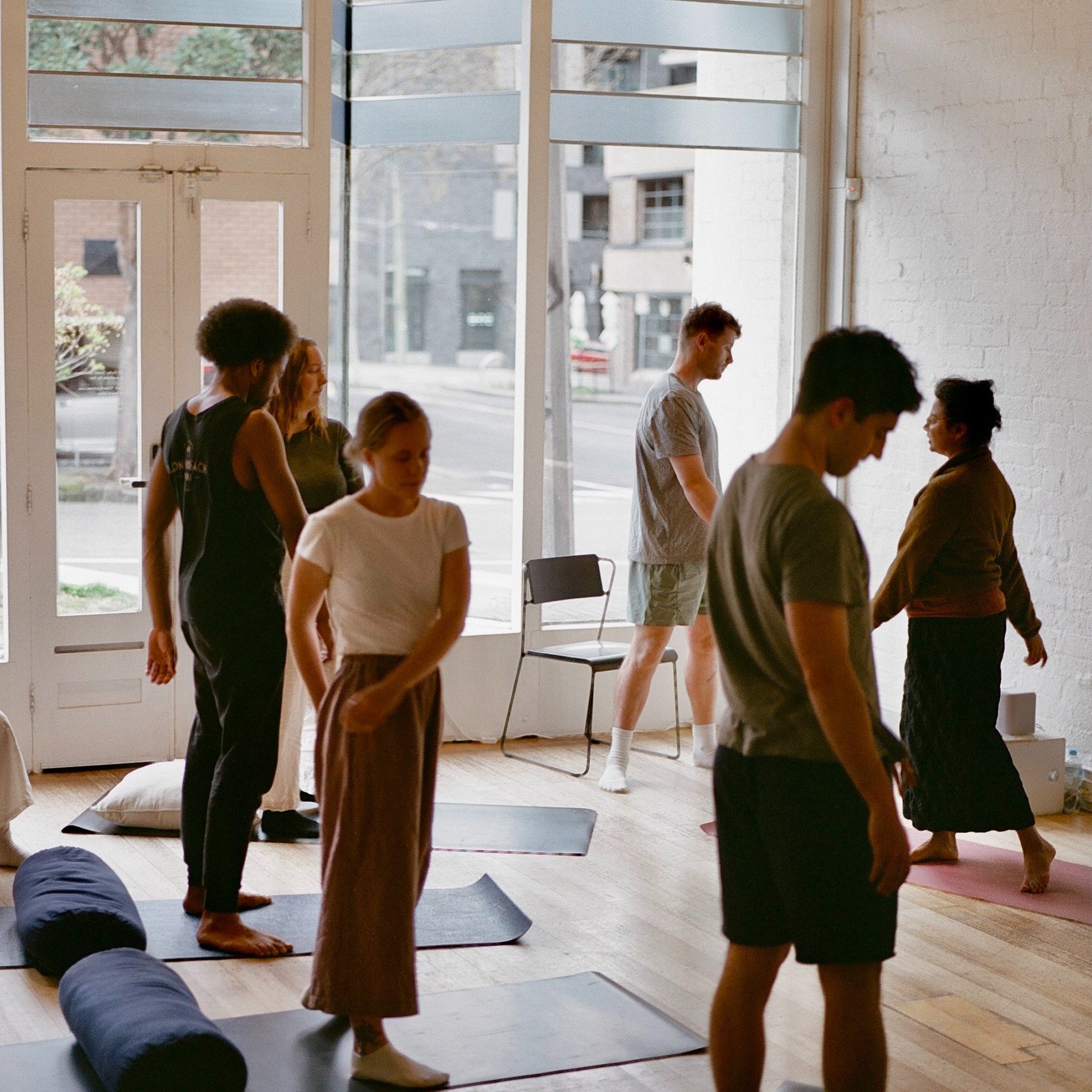
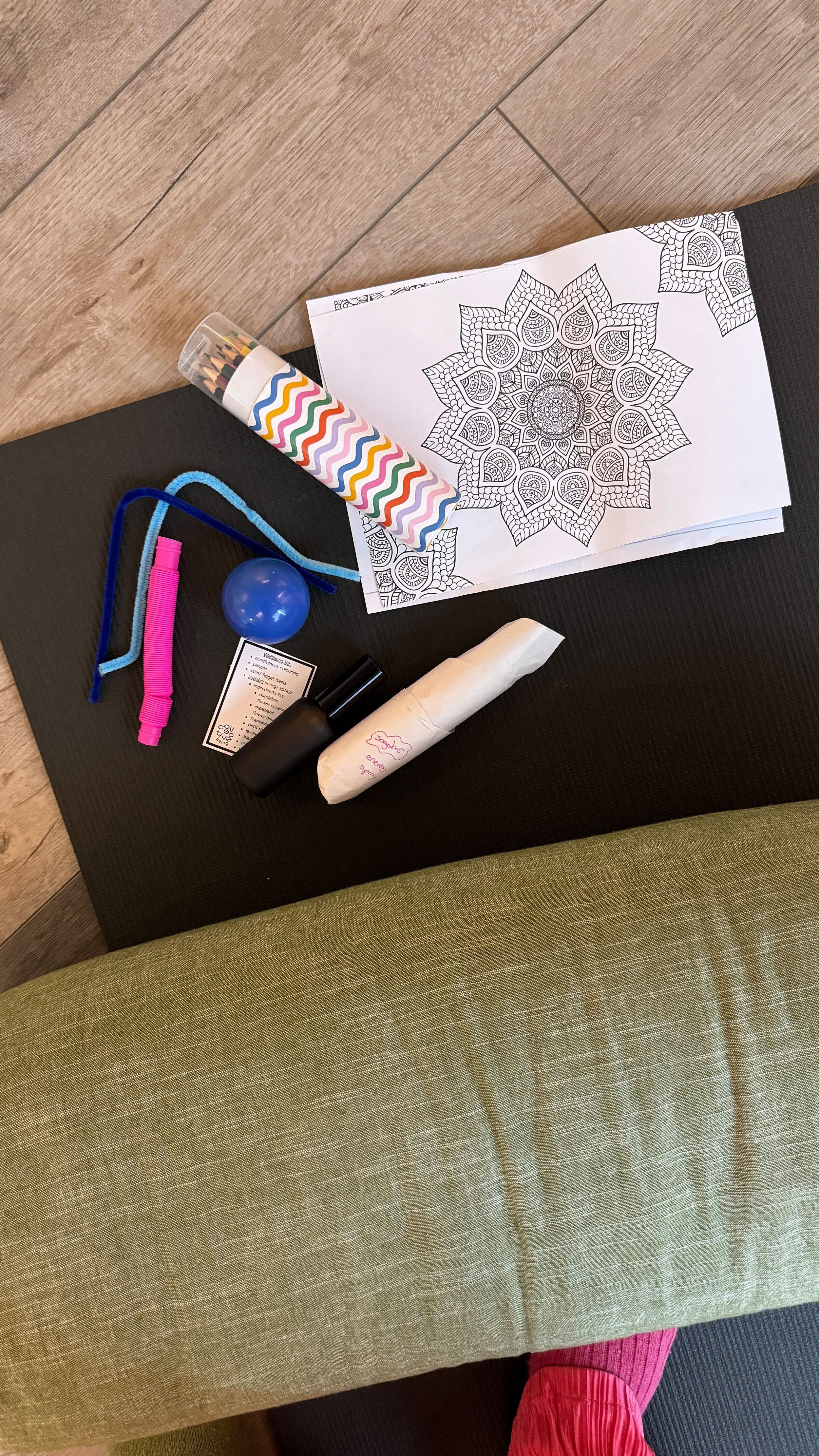
Our work in action




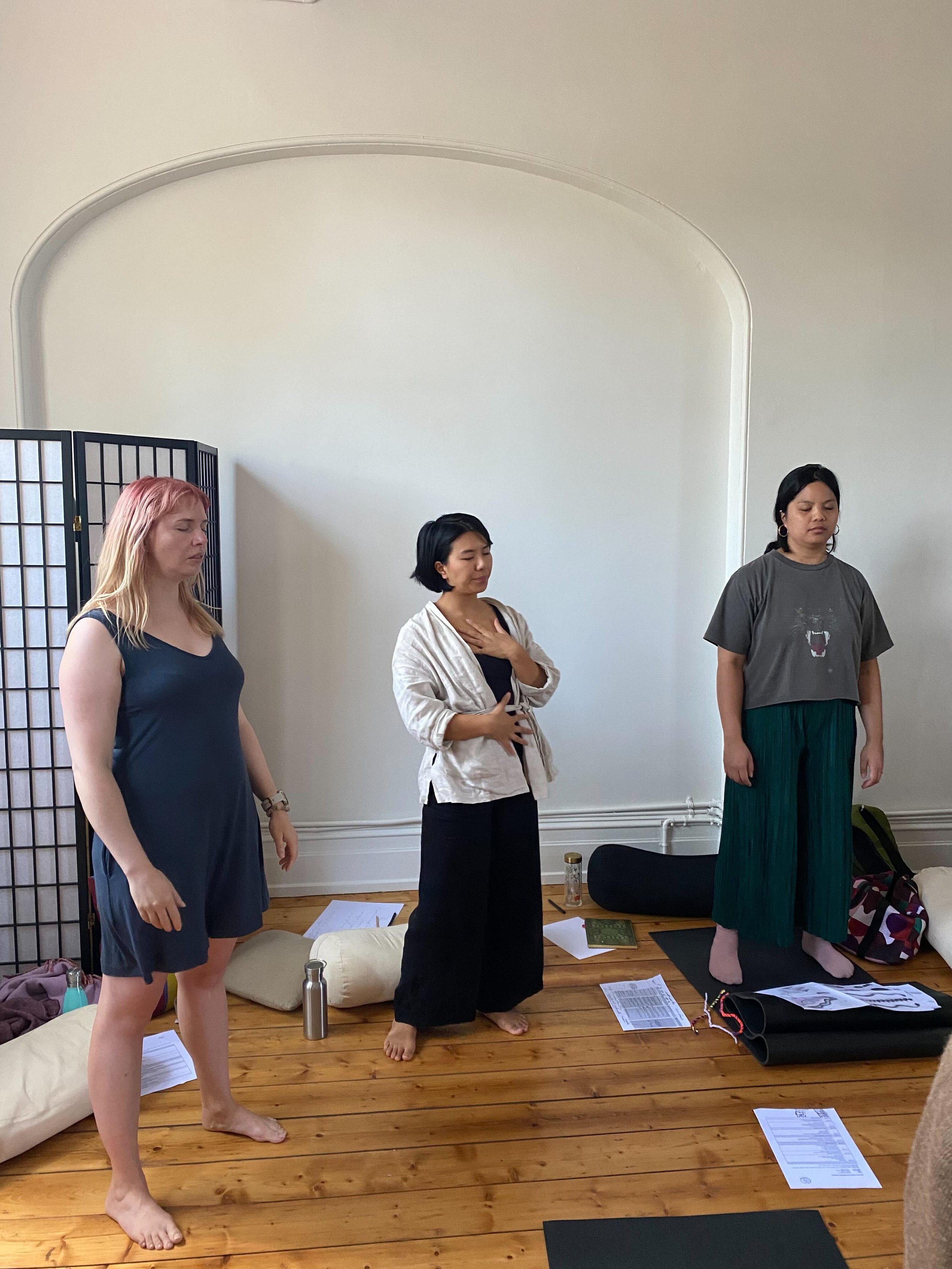
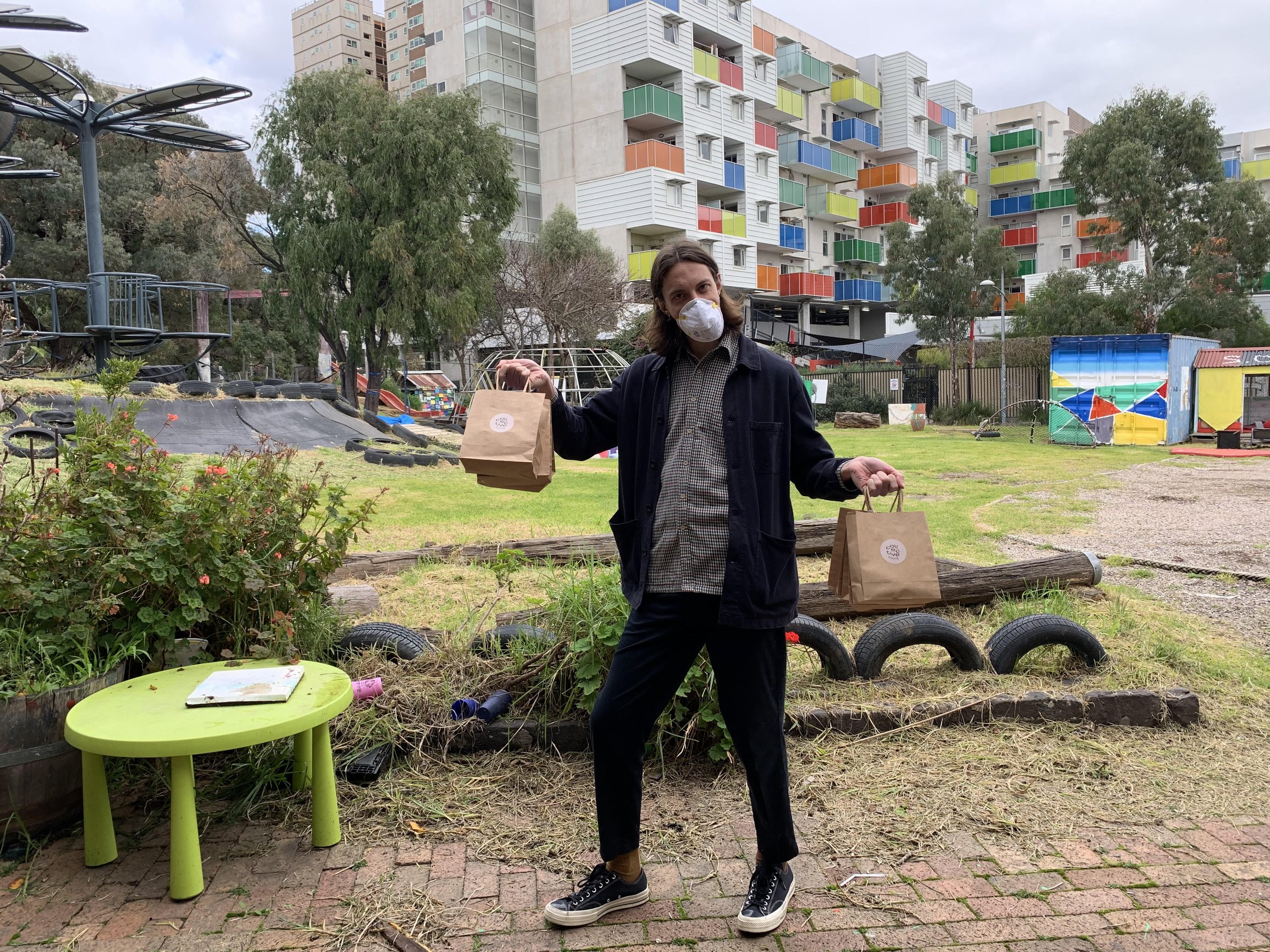


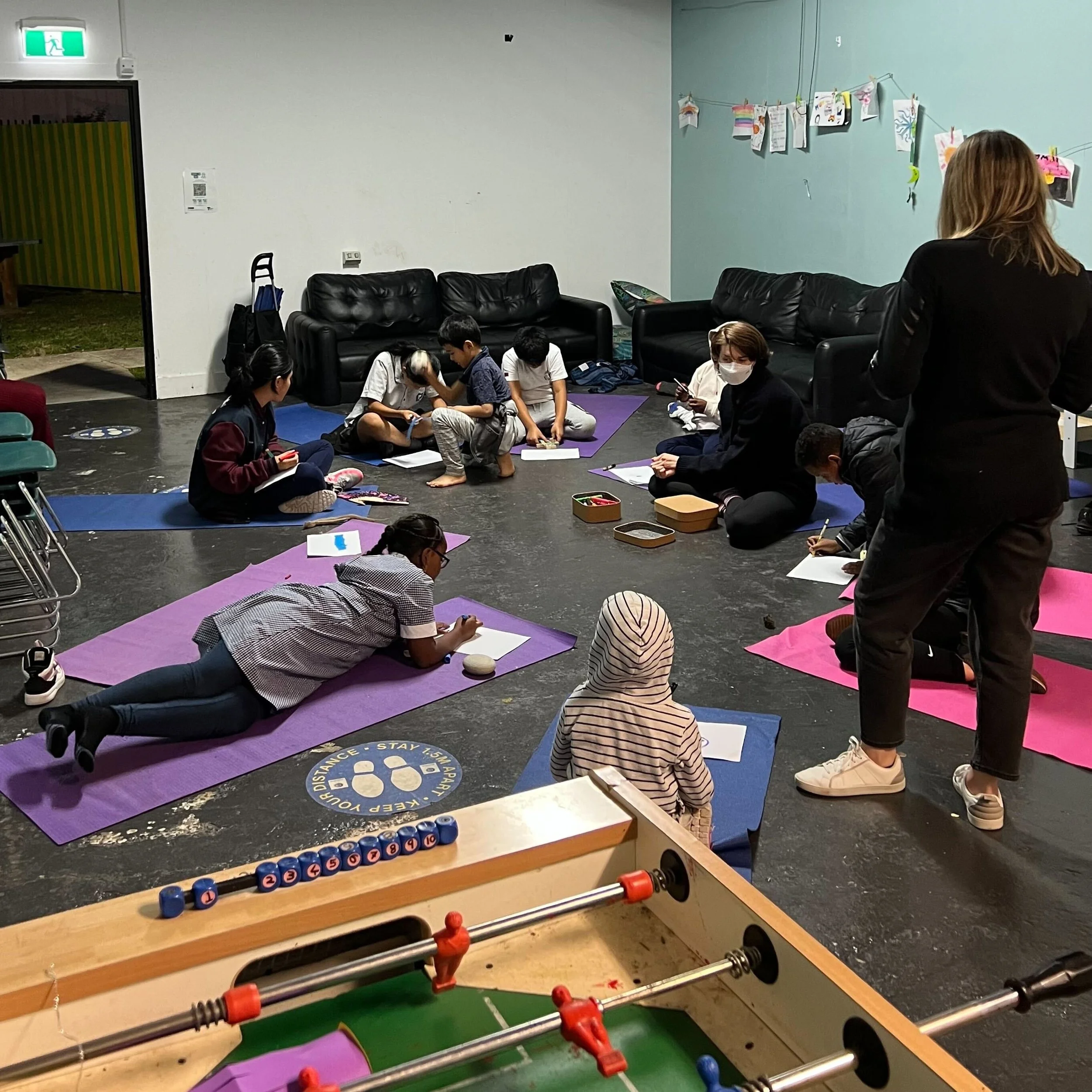

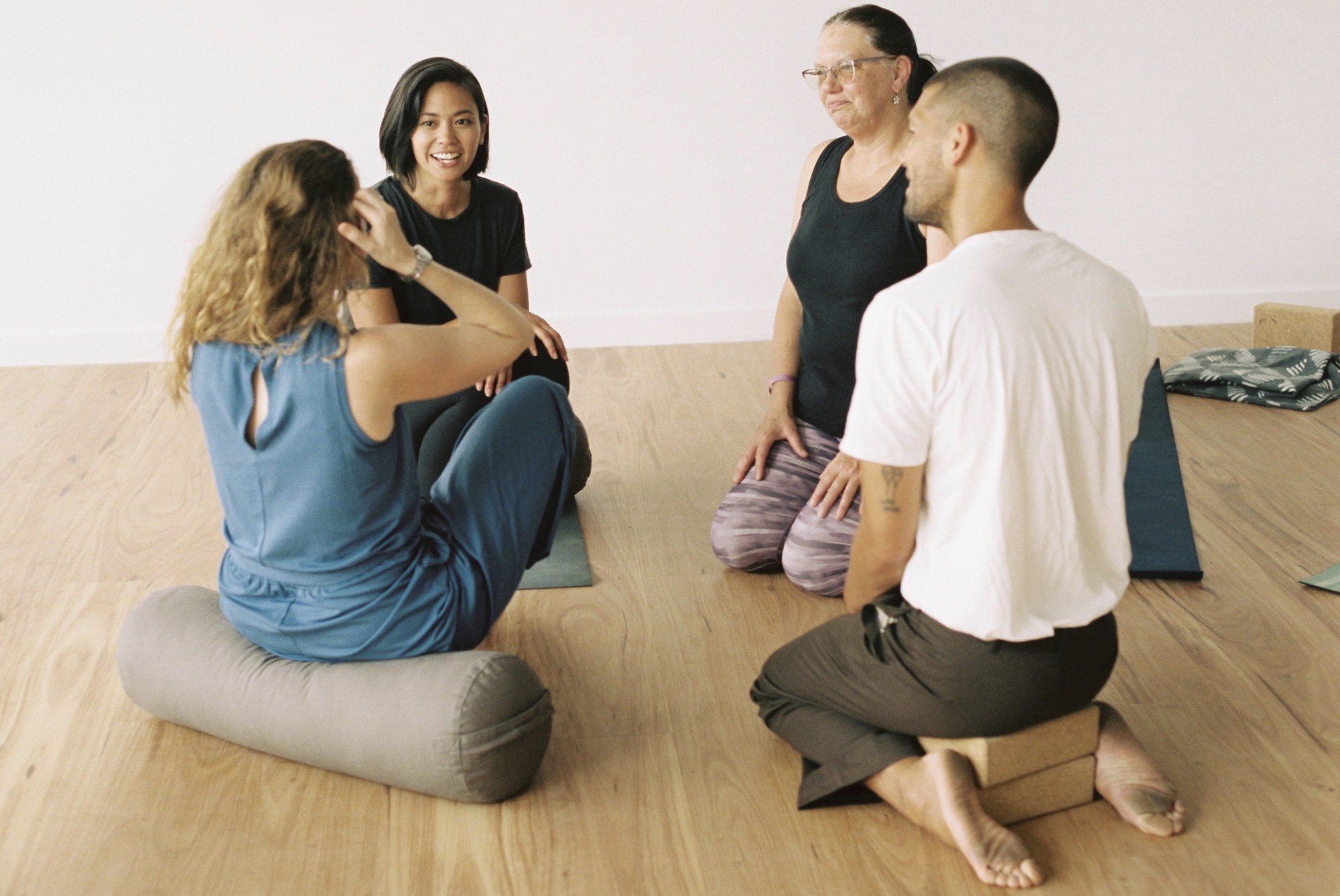




Join our community!
We respect your privacy.
Join our February 2027 Applied Somatics training!
*
Join our February 2027 Applied Somatics training! *